The Game of Golf
Tradition, Strategy, and Lasting Attraction
Learn first, play smarter, and make every round easier to understand.
Few games balance elegance, challenge, and fellowship the way golf does. On the surface, golf seems simple: move a small white ball from the tee to a distant hole in as few strokes as possible. But anyone who has played knows there is much more to it.
Golf is more than just hitting a ball. It involves strategy, patience, self-discipline, and respect for the course and other players. This mix of sport, leisure, and tradition has helped golf remain a popular pastime around the world.
- Key takeaway: Golf lasts because it brings together strategy, integrity, and community. Each round feels like a new conversation between the player, the course, and the game.
A Brief History
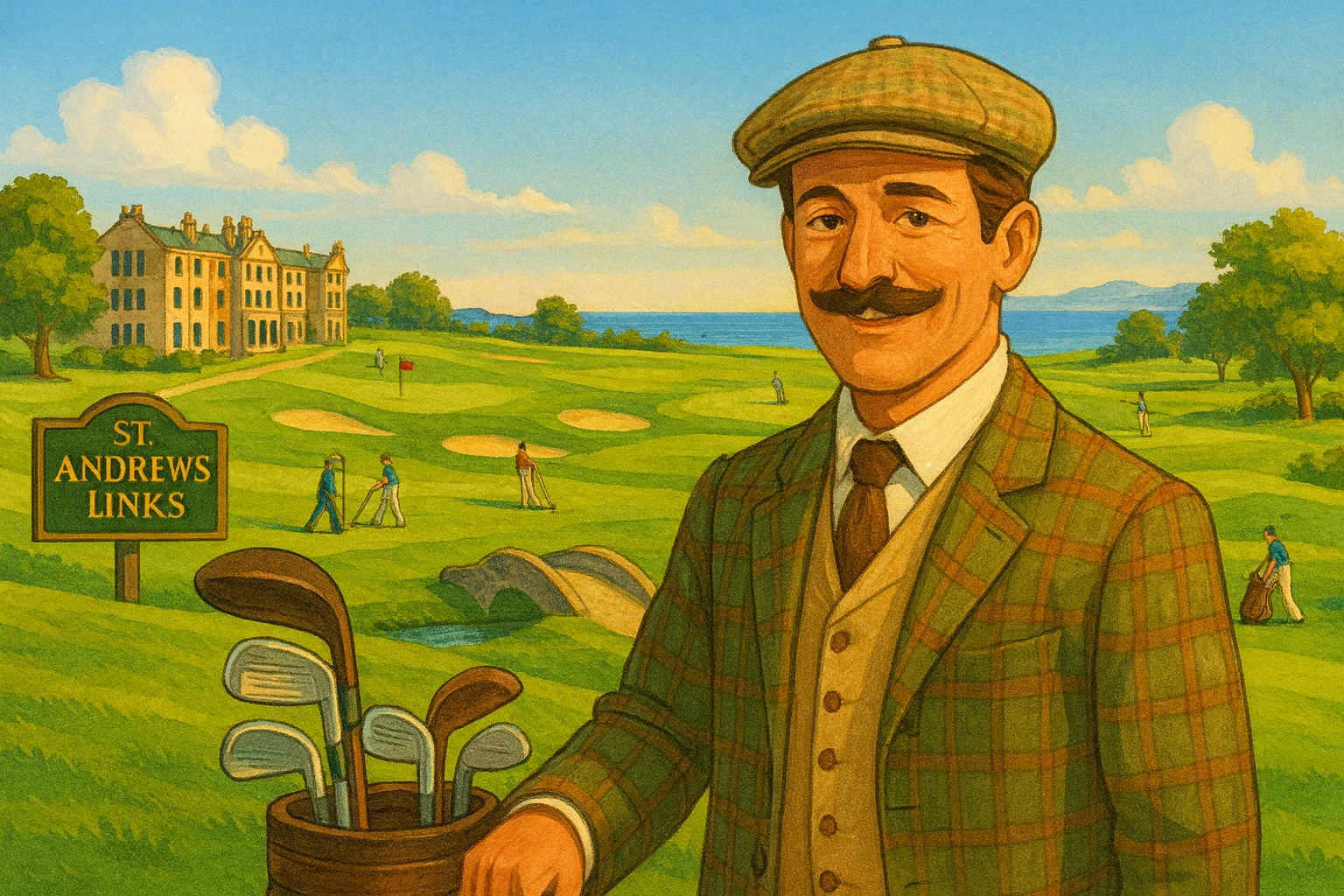
Golf’s origins are often traced to 15th-century Scotland, where people played on coastal links, the sandy, windy areas between farmland and the sea. Early versions were rougher than today’s courses, but the main idea was the same: hit a ball across natural ground into a hole.
By 1744, formal rules were written, and the game began its progress toward becoming a global sport. From St. Andrews, often called the “home of golf,” the game spread throughout the British Isles and eventually across the world.
Today, you can find golf courses almost everywhere, from the windy dunes of Ireland to the deserts of Dubai. No matter where people play, the game’s traditions are still recognised, and the golf course is central to the game. It is a carefully planned landscape that combines natural beauty with planned challenges. Most courses have 18 holes, but nine-hole courses are also common. layouts are also common.
Every hole is different. It starts at the tee box, continues along the fairway, and ends on the green. Players confront challenges like sand bunkers, water, and rough ground along the way.
A carefully designed hole challenges both a player’s strategy and skill. par—the number of strokes an expert golfer is expected to take. Holes typically fall into three categories:
- Par 3: Shorter holes where players aim to reach the green in one stroke.
- Par 4: The most common hole type, requiring two solid shots to reach the green.
- Par 5:Par 5: These are longer holes which test both power and strategy. Sometimes, players try to reach the green in fewer shots, but this comes with extra risk. A round of golf is as much a walk through carefully crafted scenery as it is a competition. Trees, lakes, and rolling hills are not merely obstacles but part of the charm that makes each course unique.
The Equipment
Golf stands out because of its special equipment, especially the set of clubs. Players can carry up to 14 clubs in a round, each made for different distances and uses.
- Driver & woods: Built for long shots and maximum distance from the tee or fairway.
- Irons: Used for controlled approach shots and varied lies.
- Wedges: Ideal for short, lofted approaches and shots around the green.
- Putter: Designed to roll the ball smoothly across the green.
Besides clubs, golfers use tees, balls, and accessories like gloves and rangefinders. Technology has improved equipment a lot, but the basics are the same: success comes from the player’s skill and discipline, not just the tools.
The Spirit of the Game
Unlike many other sports, golf does not have referees watching every move. Instead, it depends on the honour system and the honesty of its players. know the rules, record their scores accurately, and show respect to the course and other competitors. Etiquette is central to golf’s culture and upholds both pace and enjoyment for all.
- Observe silence while another player prepares to hit.
- Avoid stepping on another player’s putting line.
- Rake bunkers and repair divots to maintain course conditions.
These traditions build mutual respect and make golf more than merely a competition. For more details, check out golf etiquette. Mental and Planning Dimension
To someone watching, golf might seem slow or simple. But players know it is one of the most mentally challenging sports, where focus and decisions matter as much as physical skill.
Before each shot, a golfer weighs multiple factors:
- Distance, wind direction, and elevation.
- Hazards, safe landing areas, and green contours.
- Lie of the ball and the most forgiving target line.
Strategy is key in golf. Should you try a bold shot over water or play it safe around? Do you aim straight for the flag or choose the safer side of the green? These decisions make each round different.
Handicaps help players of all skill levels compete fairly. You can learn more in our overview of the handicap system.
The Social Side
While golf can be played alone, it is most often enjoyed in groups. Few other sports allow players of widely different skill levels to compete together on relatively equal terms.
The leisurely pace encourages players to talk and connect over several hours. Friendships grow, and people often discuss business between shots. Golf is as much about socialising as it is about competition.w enjoys a truly international presence. Prestigious tournaments such as The Masters, The Open Championship, and the Ryder Cup attract millions of viewers and celebrate skill, composure, and sportsmanship.
At the same time, the game is still accessible at the amateur level. Public courses, driving ranges, and short-course facilities make golf available to people of all ages and incomes.
Why Golf Endures
Golf’s lasting appeal comes from its special mix of qualities. It is equally challenging and relaxing, social and solitary, physical and mental.
Golf instils patience, integrity, and humility, and offers players opportunities for success and joy. For some, it is a lifelong mission to get better; for others, it is simply a nice way to enjoy the outdoors. If you are new to golf, check out our beginner’s guide to help you get started and feel confident on the course.
Few sports cannot be played well into old age, but golf is one of them. Its moderate physical demands fit many fitness levels, and its strategy keeps the game interesting for years. Golf is more than a pastime; it is a tradition, a discipline, and a community. From its humble beginnings on the Scottish coast to its global stature today, golf has endured because it represents values that reach far beyond sport.
Respect, strategy, patience, and friendship all come together on the fairways and greens. Playing golf means joining a centuries-old conversation between the player, the course, and the game. Each round brings something new.
Suggested next steps
- Start with the golf basics
- Build knowledge with GolfBoosters theory courses
- Understand the GolfBoosters learning difference
- Strengthen the mental side of golf
- Set your first scoring goal: break 110
- Move from beginner golf toward breaking 100
- Improve consistency and work toward breaking 90
- Learn the disciplined path toward breaking 80
- Explore GolfBoosters for golf clubs
- Return to the beginner-friendly overview of golf